Conceptual Artist: Omid Naghibinasab
Friday, May 8, 2026
امید نقیبی نسب
جمعه 18 اردیبهشت 1405 / ساعت 18:00 / تک اجرا
Wesen ist kein was, sondern ein wie des Bleibens
ماهیت، نه چیستی، بلکه چگونگیِ ماندن است.
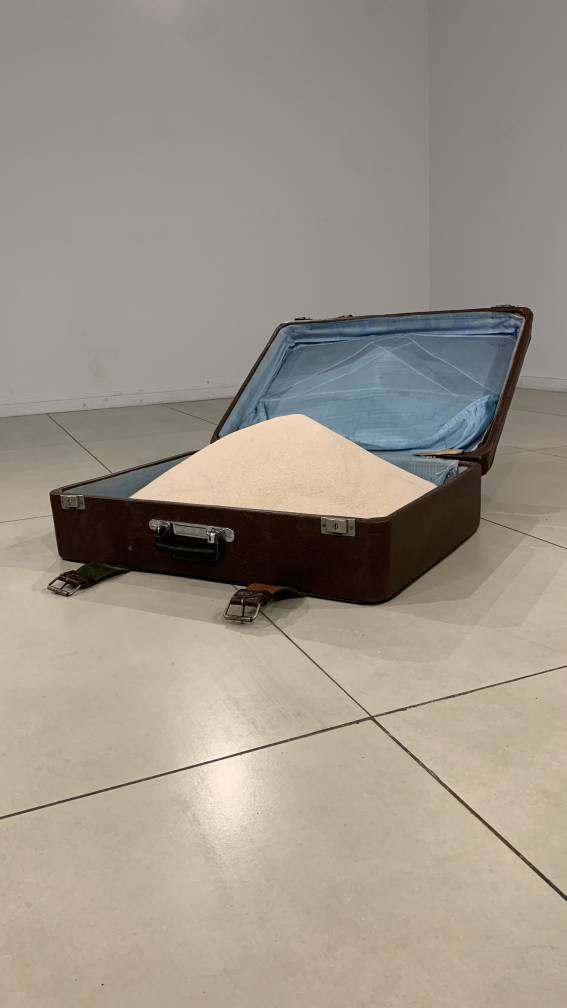
۶۰ کیلو خاک ایران (فرآیندِ پویایِ ماندن)
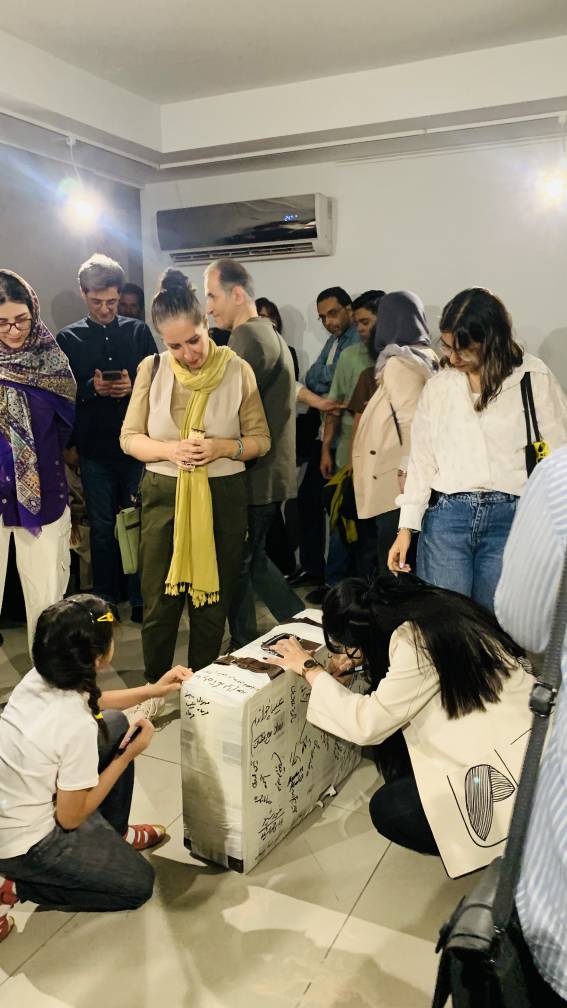
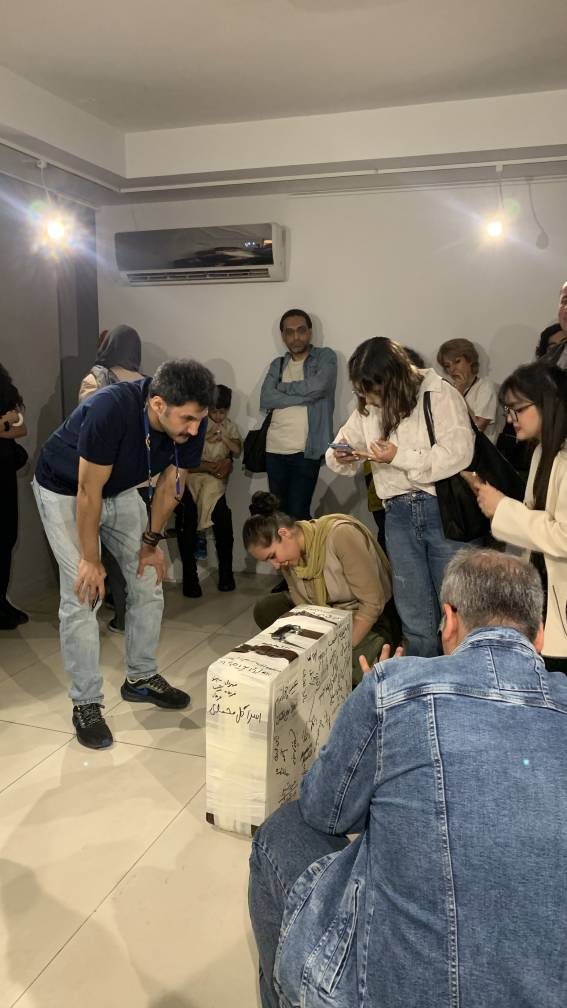
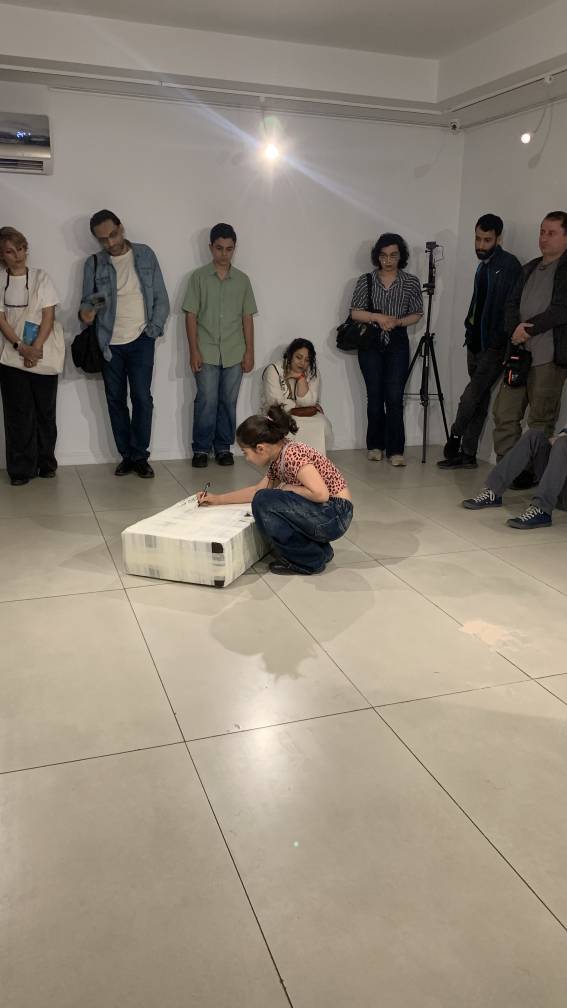
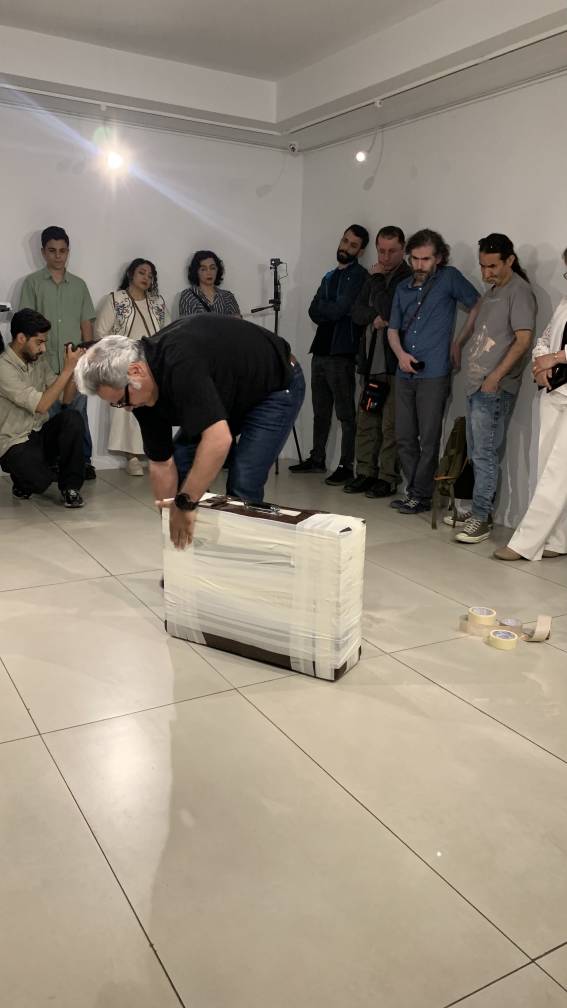
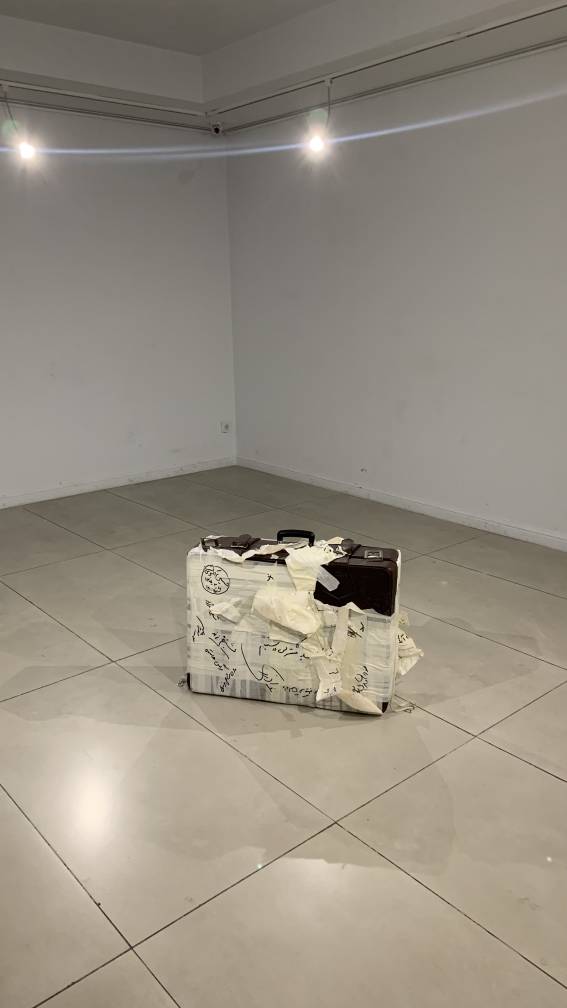
این اجرا، دعوتیست به سکون، ایستادن و باشیدنی پویا و فعال یا حضوری متلاطم بهواسطۀ اتصالِ سنگین با خاک و زمین. آنچه انسان را زنده نگه میدارد فقط نیازهای فیزیولوژیک نیست، بلکه چیزهایی از قبیل هویت، خاطرات، زبان، خانه، روابط، مناسبات، عادات، ترسها، امیدها و آرزوهاست. خاکِ این چمدان حامل همین ضرورتهای نادیدنی است که از قضا بسیار سنگین و حملناپذیرند. اجراگر بارها تلاش میکند چمدان را بلند یا جابهجا کند، اما جرمِ چِگالِ مناسباتِ فرهنگی و هویتی اجازۀ حرکت نمیدهند. این اجرا و تعامل با آن میخواهد نشان دهد ضروریات، نه بر اساس کارکرد، بلکه بر پایۀ پیوندشان با انسان تعریف میشوند؛ این چمدان حاویِ خاکیست که از ما جداناشدنیست.
اصطلاح Wesen در فلسفۀ هایدگر، فیلسوف آلمانی، برخلاف معنای رایجِ آن که در انگلیسی به جوهر، ذات و اِسنس یا همان ماهیت ترجمه می شود، به روندی پویا از آشکارِگی اشاره دارد. وِزِن چیزیست که یک موجود را در تمام زمانها تعریف میکند؛ بهزعم هایدگر چگونگیِ حضورِ مداومِ هستی است که یک موجود را در گذر زمان، تعریف و پایدار میسازد.
Wesen is not a what, but a how of perdurance.
60kg of Iranian soil (The dynamic process of perdurance)
This performance is an invitation to stillness, to standing, to a dynamic and active being-there—or a turbulent presence—mediated through a heavy tethering to soil and earth. For what sustains human life is not merely physiological needs, but intangibles such as identity, memories, language, home, relations, social bonds, habits, fears, hopes, and aspirations. The soil contained in this suitcase bears precisely these invisible necessities, which are paradoxically profoundly weighty and untransportable. The performer repeatedly attempts to lift or displace the suitcase, yet the dense mass of cultural-identitary entanglements precludes movement. This performance and its interaction reveal that essentials are defined not by functionality, but by their existential bonds to the human. This suitcase contains soil inseparable from our very being.
WesenThe German philosophical term “Wesen,” in Heidegger’s ontology, diverges from its common connotation of “essence” (translated as essenceor substance in English). It denotes a dynamic process of unconcealment (Unverborgenheit), whereby an entity is defined across all temporality. For Heidegger, Wesen is the mode of persistent presencing (Anwesenheit) that constitutes and sustains an entity through the flux of time.
Omid Naghibi Nasab/Spring 2026